Eco-Conscious Fencing: Sustainable Options for the Environmentally Aware Homeowner
Eco-friendly fencing presents a smart option for homeowners prioritizing sustainability. This approach not only enhances property value but also minimizes environmental impact. Various options, such as bamboo and recycled plastic, offer durability and aesthetic appeal. Knowing the advantages and materials available is crucial for making well-informed choices. As homeowners examine these green solutions, they may find unforeseen perks that go beyond basic appearance. What additional elements deserve attention in this expanding movement?
Why Should You Consider Sustainable Fencing?
While many homeowners prioritize visual appeal and longevity in their fencing choices, the environmental effects of fencing materials tends to be neglected. Eco-friendly fencing alternatives offer a chance to lower ecological impact while enhancing property boundaries. By choosing materials sourced from renewable resources, homeowners can contribute in preserving forests and natural habitats. This choice minimizes dependence on finite resources, which are often linked to harmful extraction processes.
In addition, green fencing solutions can encourage biodiversity by creating natural habitats for native wildlife. Fencing constructed from recycled materials or responsibly sourced wood can help minimize landfill waste. Selecting green fencing solutions regularly produces long-term cost savings, as these sustainable choices usually call for reduced maintenance and deliver longer service lives. Fundamentally, investing in green fencing showcases a devotion to ecological preservation, enabling property owners to design stunning outdoor areas without harming the environment.
Common Green Fence Choices
When evaluating sustainable fencing options, bamboo and recycled plastic rank among the most sought-after alternatives. Bamboo presents an eco-conscious and attractive choice, while recycled plastic delivers long-lasting performance with minimal upkeep. Both options contribute to environmental conservation without sacrificing functionality or style.
Benefits of Bamboo Fencing
Bamboo fencing offers numerous benefits that make it a popular choice among eco-conscious homeowners. To begin with, bamboo is a quickly replenishing natural resource that grows far more rapidly than conventional timber, helping to minimize deforestation. Its natural strength and durability provide a sturdy barrier that can withstand various weather conditions. Additionally, bamboo fencing is lightweight and easy to install, making it a convenient option for DIY projects. The aesthetic appeal of bamboo adds a unique, natural look to any property, blending seamlessly with outdoor landscapes. Moreover, bamboo has natural pest-repellent properties, reducing the need for chemical treatments. By opting for bamboo, homeowners can both improve their outdoor areas and make a meaningful contribution to environmental sustainability.
Recycled Plastic Alternatives
Recycled plastic fencing presents a forward-thinking and sustainable solution for sustainability-focused homeowners. Manufactured using post-consumer plastic materials, this fencing option helps divert materials from landfills while providing long-lasting durability with minimal upkeep. Impervious to rot, insects, and weather conditions, recycled plastic fencing retains its aesthetic appeal for years, eliminating the need for frequent replacements. Offered in a wide range of styles and colors, it has the ability to replicate classic wood aesthetics while delivering superior long-term durability. Additionally, this eco-friendly option contributes to reducing carbon footprints, as the production process often requires less energy than producing new plastic materials. Homeowners seeking sustainable solutions may find recycled plastic fencing to be a practical and attractive option for their outdoor spaces.
Eco-Friendly Fencing Materials: What You Need to Know
With homeowners increasingly pursuing eco-conscious choices, eco-friendly fencing materials have emerged as a vital consideration in garden planning. These materials not only minimize environmental impact but also enhance the aesthetic appeal of outdoor spaces.
Bamboo stands out as a favored option, recognized for its quick regeneration and eco-friendly properties. Processed timber, obtained from certified sustainable forests, provides long-lasting strength while helping to minimize deforestation. Recycled materials, such as plastic composites, combine the benefits of traditional fencing with eco-conscious practices, offering enduring quality without compromising the health of the environment.
Additionally, metal alternatives like steel and aluminum are becoming more popular for their sustainability and ease of maintenance. Natural stone and living fences, such as shrubs and hedges, further support ecological diversity.
When evaluating green fence options, property owners should consider elements like durability, sustainability, and upkeep to ensure their choice aligns with their environmental values and individual needs.
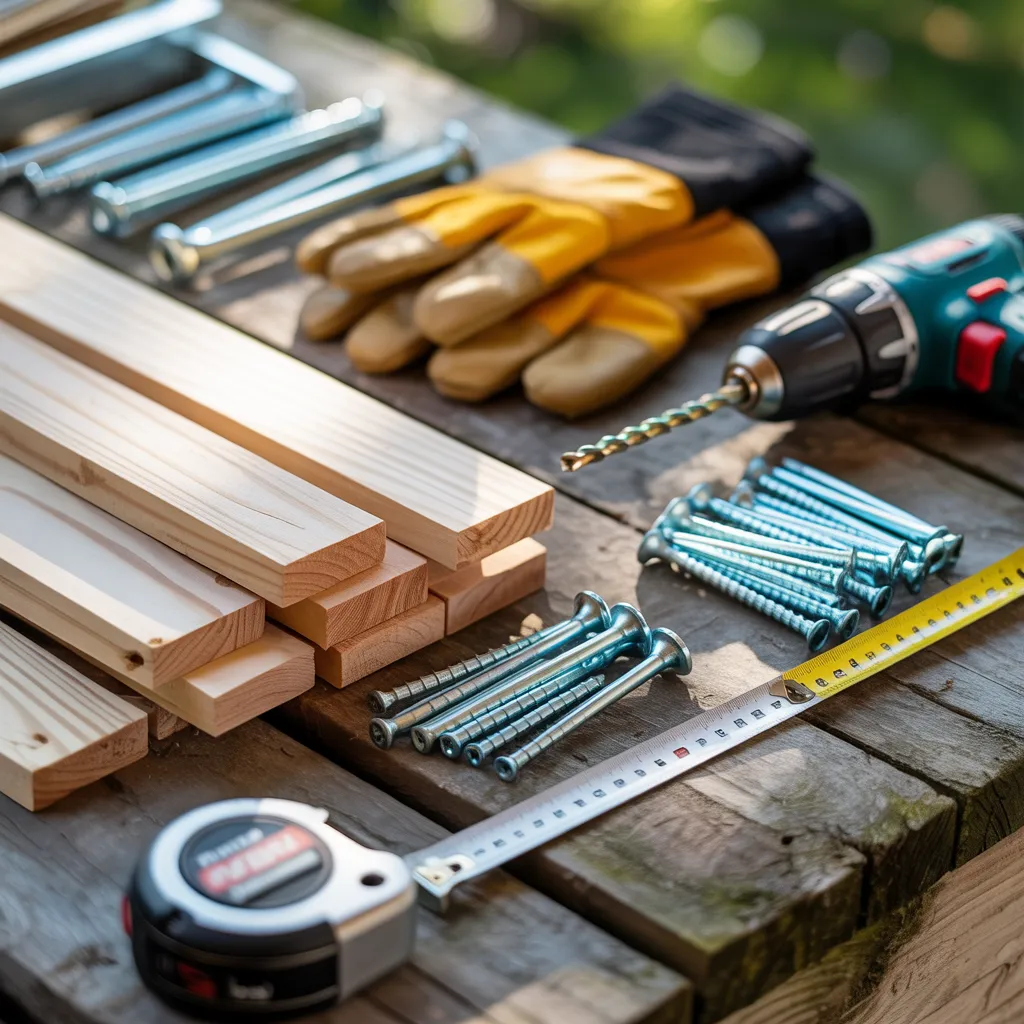
Setting Up Eco-Friendly Fencing
Furthermore, marking the boundaries accurately prevents encroachment and guarantees conformity with local guidelines. Property owners may wish to consult with adjacent neighbors to encourage a spirit of cooperation. Applying non-toxic adhesives and finishes at the time of installation serves to further improve the environmental impact.
In addition, taking into account the fence design can optimize aesthetics while limiting resource use. As an example, choosing pre-fabricated panels can minimize construction waste. Lastly, engaging qualified installers experienced in eco-friendly practices can ensure that the project is completed both efficiently and responsibly. By applying these practices, homeowners can attain a stunning, effective, and environmentally friendly fence.
Preserving Your Eco-Friendly Fence
Although maintaining an eco-friendly fence may seem straightforward, it necessitates dedicated effort to guarantee its lasting performance and sustainability. Periodic examinations ought to be carried out to spot any evidence of go to article wear or damage, particularly in natural materials like wood. Cleaning the fence with biodegradable soaps can help prevent mold and mildew without harming the environment.
Moreover, applying natural protective solutions, including natural linseed oil, helps enhance structural durability while preserving environmental sustainability. Property owners should also pay attention to nearby vegetation; overgrown plants may lead to damage and invite pests. Regularly trimming vegetation guarantees proper airflow and helps reduce moisture buildup.
Finally, when conducting repairs, utilizing recycled or sustainably sourced materials supports green principles. By committing time and effort to upkeep, homeowners are able to safeguard their eco-friendly fences, ultimately promoting a sustainable lifestyle while improving the aesthetic appeal of their properties.
Financial Planning for Eco-Friendly Fencing
When budgeting for eco-friendly fencing, material costs play a vital role in decision-making. Homeowners need to balance the upfront costs with the long-term savings that these sustainable choices can offer. Gaining insight into both factors can result in smarter decisions that are good for both the planet and personal finances.
Material Pricing Considerations
How does one effectively budget for eco-friendly fencing options while balancing sustainability and cost? Homeowners ought to start by exploring various materials, like bamboo, recycled wood, or composite alternatives, each with different price points. Understanding local market prices is essential, as the availability of materials can greatly affect costs. Furthermore, installation costs should be taken into account, as certain materials may necessitate professional assistance, while others are well-suited for DIY projects. Evaluating the durability and maintenance costs of each option is also important, as some eco-friendly materials may carry higher upfront costs but offer lower long-term upkeep. Through careful comparison of these factors, homeowners can establish a budget that supports their environmental goals while remaining financially practical.
Long-Term Cost Savings Potential
Investing in eco-friendly fencing can lead to significant long-term savings that enhance its appeal beyond initial costs. Green materials like bamboo or recycled composites generally need less maintenance compared to standard choices, decreasing long-term expenses. Moreover, most sustainable fences are engineered for longevity, cutting down on the need for periodic replacements. Eco-efficient additions, including solar-powered lighting incorporated into fencing, can amplify savings by reducing utility costs. Property owners can additionally enjoy higher home values, since sustainable features are growing in demand. By considering these factors, homeowners can budget effectively for sustainable fencing solutions that not only protect the environment but also yield financial benefits in the years to come.

Commonly Asked Questions
In What Ways Does Eco-Friendly Fencing Affect Local Wildlife?
Eco-friendly fencing benefits local wildlife by providing natural habitats, reducing chemical exposure, and promoting biodiversity. These environmentally responsible materials frequently integrate naturally with the surrounding landscape, encouraging the presence of diverse species and improving the health of the ecosystem.
Are Eco-Friendly Fences Able to Handle Severe Weather Conditions?
Environmentally conscious fences are capable of withstanding harsh weather conditions, subject to the materials chosen. Several green fencing choices, including composite materials or treated timber, offer durability against temperature changes, wind, and rain, promoting lasting performance while lessening ecological impact.
What Are the Health Benefits of Sustainable Fencing Materials?
Environmentally conscious fencing materials, typically containing no toxic substances, foster healthier environments. Such options decrease contact with harmful substances, boost air quality, and commonly incorporate repurposed resources, supporting general health and wellness for both individuals and ecosystems.
Do Tax Incentives Exist for Installing Eco-Friendly Fencing?
Various tax incentives do exist for adding sustainable fencing solutions. Property owners could be eligible for deductions or credits, according to local guidelines and programs focused on advancing eco-friendly practices, consequently supporting environmentally responsible decisions in home improvement projects.
What Is the Responsible Way to Dispose of Old Fencing Materials?
To properly handle worn fencing components in an environmentally conscious way, individuals should reach out to local waste management providers for suitable recycling solutions, donate usable materials to community projects, or take advantage of bulk waste collection services for environmentally friendly disposal.